Workholding Guide
Zero Point Clamping Guide
Zero point clamping systems are used to locate and clamp fixtures, pallets or workpieces in a repeatable position. They can reduce setup effort and support flexible CNC production, but only when the fixture strategy, machine interface and process requirement are understood.
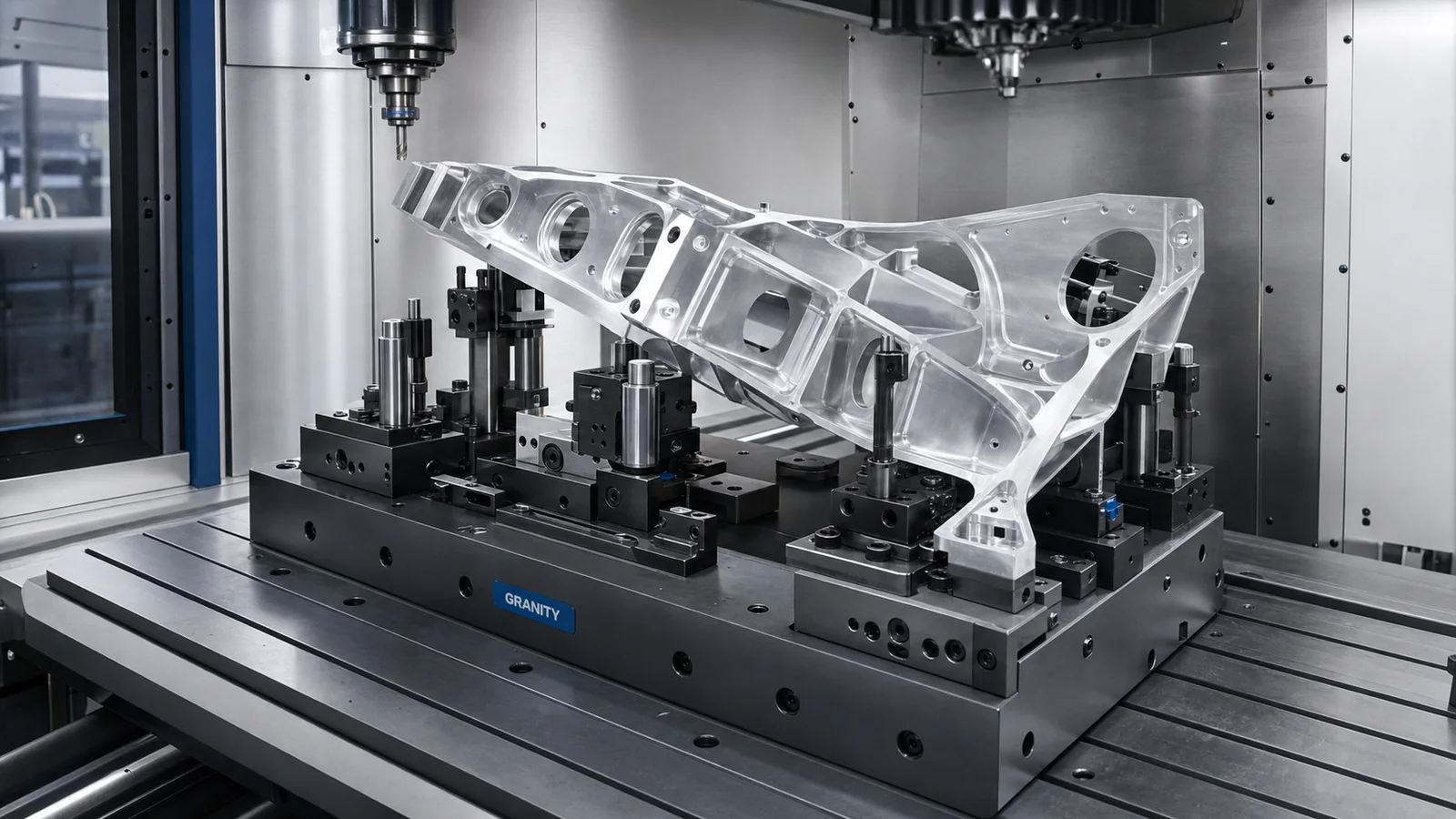
This guide explains how to prepare a zero point system inquiry. It avoids unverified pull-in force values, accuracy claims or certification statements. Those details require approved product data. The focus here is the application and setup information that helps GRANITY review the request responsibly.
1. Understand the production problem
Zero point clamping is usually considered when setup time, fixture repeatability, machine utilization or changeover discipline becomes a bottleneck. The system may support faster fixture swaps, offline preparation, palletized workholding or repeatable reloading of fixtures across machines.
Before discussing products, describe the problem. Is the goal to reduce setup time, improve repeatability, move fixtures between machines, support small-batch production, standardize clamping, or improve operator workflow? The answer changes the product and layout discussion.
2. Define what is being located
The system may locate a fixture plate, vise, pallet, tombstone, custom fixture or direct workpiece interface. Each has different load, access, contamination and operator requirements. A fixture plate for small aluminum parts is different from a heavy workholding structure for steel components.
Provide approximate fixture size, weight, mounting pattern and how the fixture will be loaded. If the fixture design is not final, share the intended workpiece family and machine table information. The zero point discussion should support the fixture strategy rather than force the fixture into an unsuitable pattern.
3. Machine table and mounting context
The machine interface is central. Engineers should provide machine type, table size, T-slot or mounting pattern, available height, coolant exposure, chip flow and access limitations. If the machine is a machining center, state whether horizontal or vertical orientation matters. If fixtures move between machines, note whether interfaces must be standardized across multiple tables.
Height stack-up should not be ignored. A zero point system adds interface height, and that can affect tool reach, part clearance and machine envelope. A system that is mechanically strong may still be impractical if it consumes too much Z height.
4. Repeatability and process requirement
Repeatability requirements depend on the operation. Rough machining, finishing, inspection, multi-operation machining and robotic loading may need different levels of positional consistency. Instead of asking for “high accuracy,” explain how the fixture will be used and whether offsets, probing or inspection steps are part of the process.
If the machine already uses probing or work offsets, include that information. The zero point system may support the process in combination with machine compensation rather than as a standalone accuracy guarantee.
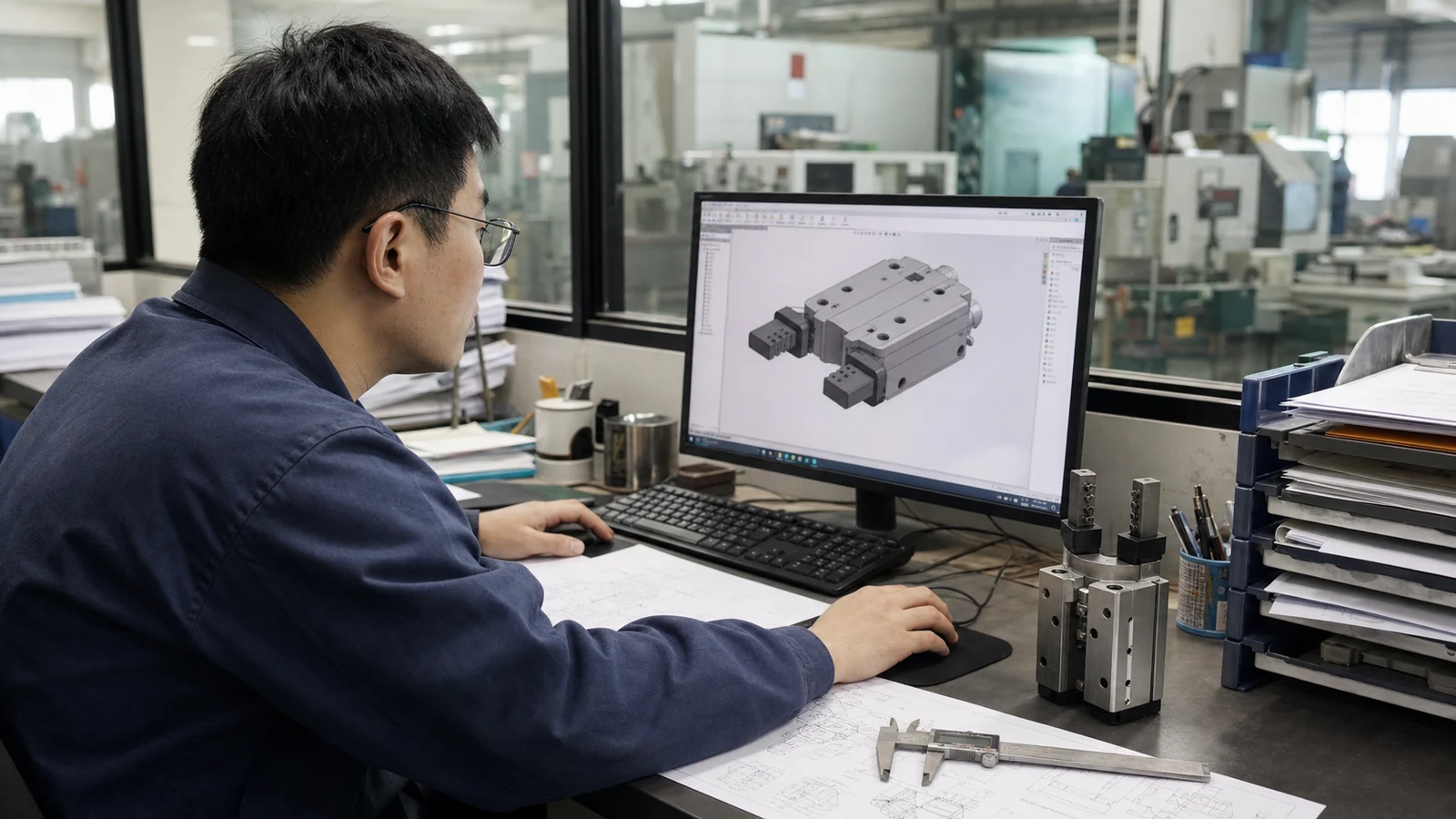
Review fixture size, table interface, actuation method, chip exposure and verification process before product selection.
5. Clamping, release and actuation
Zero point systems may use manual, pneumatic, hydraulic or other actuation methods depending on the product design. The available utilities and operator workflow must be considered. A manually operated system may be appropriate for some setups. Automated production may require remote release, confirmation signals or integration with machine logic.
State whether the system will be operated by a person, a robot, or a machine sequence. If automation is planned, include control and feedback expectations early.
6. Contamination and chip management
CNC environments expose workholding systems to chips, coolant, dust and cleaning routines. Contamination can affect location surfaces, clamping mechanisms and maintenance intervals. The system layout should support cleaning and reliable seating.
Describe the machining environment and whether chips or coolant may collect around the interface. If the application is dry machining, wet machining, grinding or heavy chip production, say so. Engineering review should consider how the interface remains functional in the real environment.
7. Fixture and pallet standardization
Zero point systems become more valuable when fixture design is standardized. If every fixture uses a different pattern or height, the benefit may be reduced. Teams should consider fixture families, pallet sizes, locating pin strategy, identification, storage and transport.
Standardization does not mean every fixture is identical. It means the clamping interface, datum logic and handling method are organized so the system can scale. For new production cells, this planning should happen before product selection.
8. Integration with automation
Robotic loading and automated fixture change can benefit from zero point workholding, but the system must be designed around robot reach, fixture mass, release sequence, confirmation signals and collision avoidance. A fixture that is easy for an operator may not be easy for a robot.
If future automation is possible, include it in the inquiry even if the first phase is manual. This allows engineering to avoid choices that could block later automation.
9. RFQ details checklist
Prepare machine type, table information, fixture size and mass, target workpiece family, changeover goal, actuation preference, contamination environment, repeatability expectation, quantity, timeline and CAD or datasheet needs.
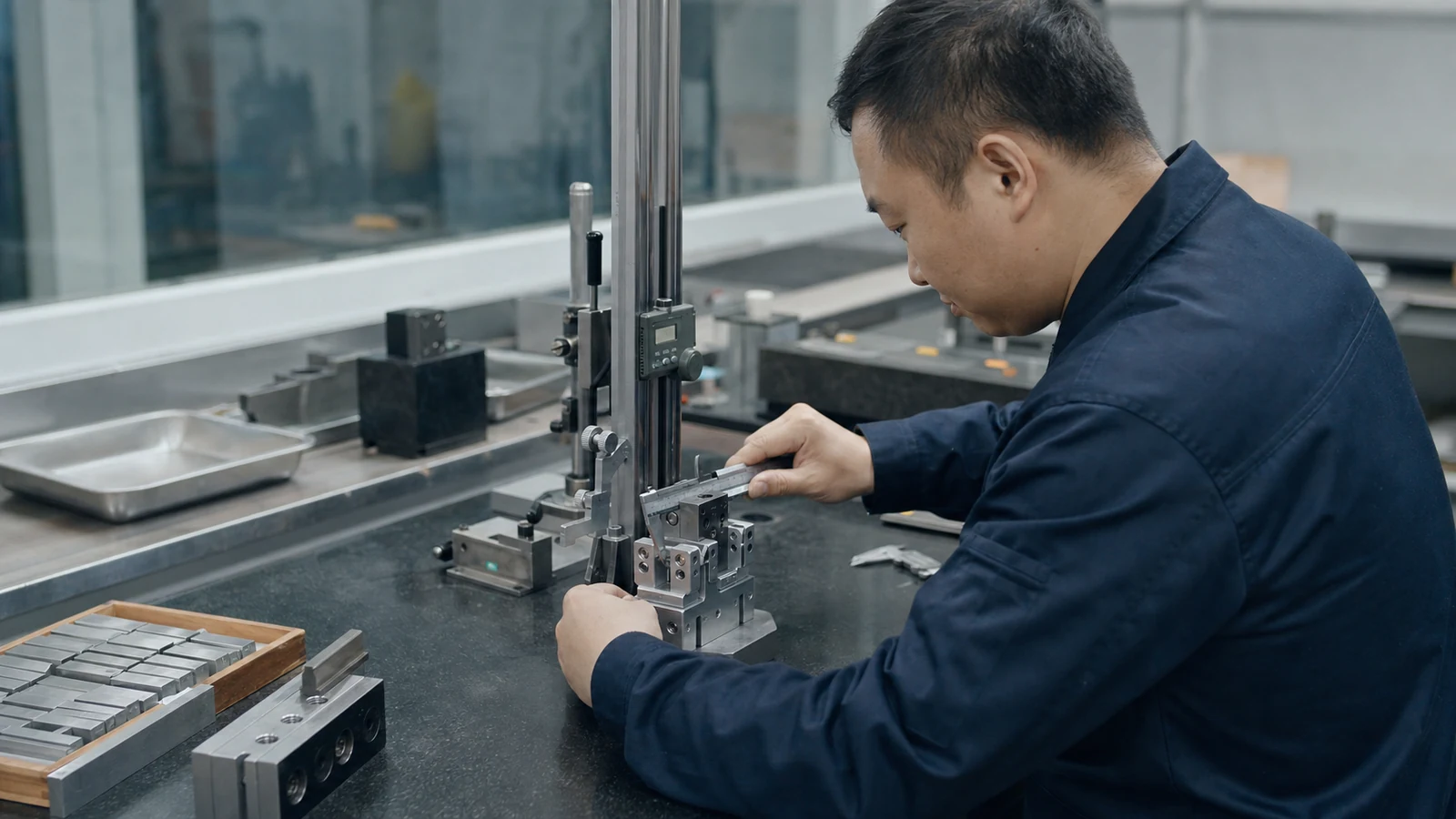
Connect the zero point request to machine access, chip exposure, operator workflow and future pallet standardization.
10. Common mistakes
Common mistakes include selecting a zero point module without defining fixture strategy, ignoring stack height, underestimating contamination, assuming all repeatability needs are identical, and forgetting how fixtures will be stored or moved. Another mistake is focusing only on clamp force while ignoring datums, cleaning and workflow.
11. CAD and fixture-package preparation
Zero point system CAD should be reviewed together with the fixture, machine table and workpiece envelope. A single module model is not enough to confirm the full setup. Engineers should evaluate table mounting, module spacing, fixture plate thickness, clamping stud position, access to release mechanisms and tool clearance.
When requesting CAD, explain whether the model is needed for machine layout, fixture design, customer concept approval or final manufacturing drawings. If the fixture is not designed yet, share the target workpiece family and machine information so the CAD request can support the design direction rather than lock the team into a weak interface concept.
12. Operator workflow and changeover discipline
Zero point systems are often justified by changeover improvement, but the operator workflow must be clear. The process should define where fixtures are stored, how they are identified, how contact surfaces are cleaned, how seating is checked and how the machine program relates to each fixture. Without this discipline, the hardware may not deliver the expected operational benefit.
Consider whether operators need visual indicators, cleaning access, written setup steps or fixture identification. These details are not cosmetic. They help prevent incorrect fixture loading, contamination issues and repeated setup questions.
13. Buyer and production manager considerations
Buyers and production managers should evaluate zero point clamping as a system investment, not only a set of components. The commercial discussion may involve base units, fixture plates, studs, accessories, installation parts, documentation and future expansion. A request that mentions only one module may miss the actual scope of the project.
Production managers should also define the business reason: faster changeover, fewer alignment steps, more repeatable fixture loading, reduced machine downtime, easier offline setup or improved flexibility. This reason helps engineering prioritize the correct review sequence.
14. When to request engineering support
Engineering support is recommended when the fixture strategy is still developing, when multiple machines are involved, when automation may be added later or when the process has strict repeatability expectations. In these cases, the best next step is often not an immediate quote but a structured review of the machine, fixture and workpiece context.
If the fixture design, machine interface and quantity are already clear, an RFQ can be submitted directly. If not, start with engineering support first. This keeps commercial discussion grounded in a workable workholding concept.
15. How distributors can position zero point systems
For distributors, zero point clamping is strongest when presented as a production workflow improvement rather than a standalone clamping accessory. The discussion should start with setup time, fixture repeatability, machine utilization and high-mix manufacturing needs. Customers may not initially know which module or plate they need, but they usually understand the pain of repeated alignment and long changeover.
A distributor inquiry should therefore include the customer industry, machine type, fixture style, expected order scope and whether engineering support is needed for the first project. This gives GRANITY enough context to support a credible partner discussion with practical technical boundaries.
Conclusion
A zero point clamping inquiry should describe the manufacturing workflow, not only a component request. When the machine, fixture, workpiece, changeover goal and environment are clear, GRANITY can support more useful engineering review and RFQ support. Clear inputs also help avoid unnecessary redesign after fixture concepts move into production planning.
Recommended next steps
Start with zero point systems, clamps and modular fixture directions for CNC workflows.
Open Workholding ModulesCollect machine table, fixture size, actuation method and changeover target before CAD review.
Open Technical CenterUse engineering support when fixture strategy or repeatability requirements are not final.
Contact EngineeringPlanning fixture changeover improvement?
Send the machine and fixture context for engineering review.
Contact EngineeringRequest a Quote