Skip to content
PRECISION HANDLING & HOLDING
Technical Center

Application notes for manufacturing tasks.

Use these notes to frame a machine tending, assembly, inspection or fixture-changeover requirement before requesting CAD, engineering support or a quote.

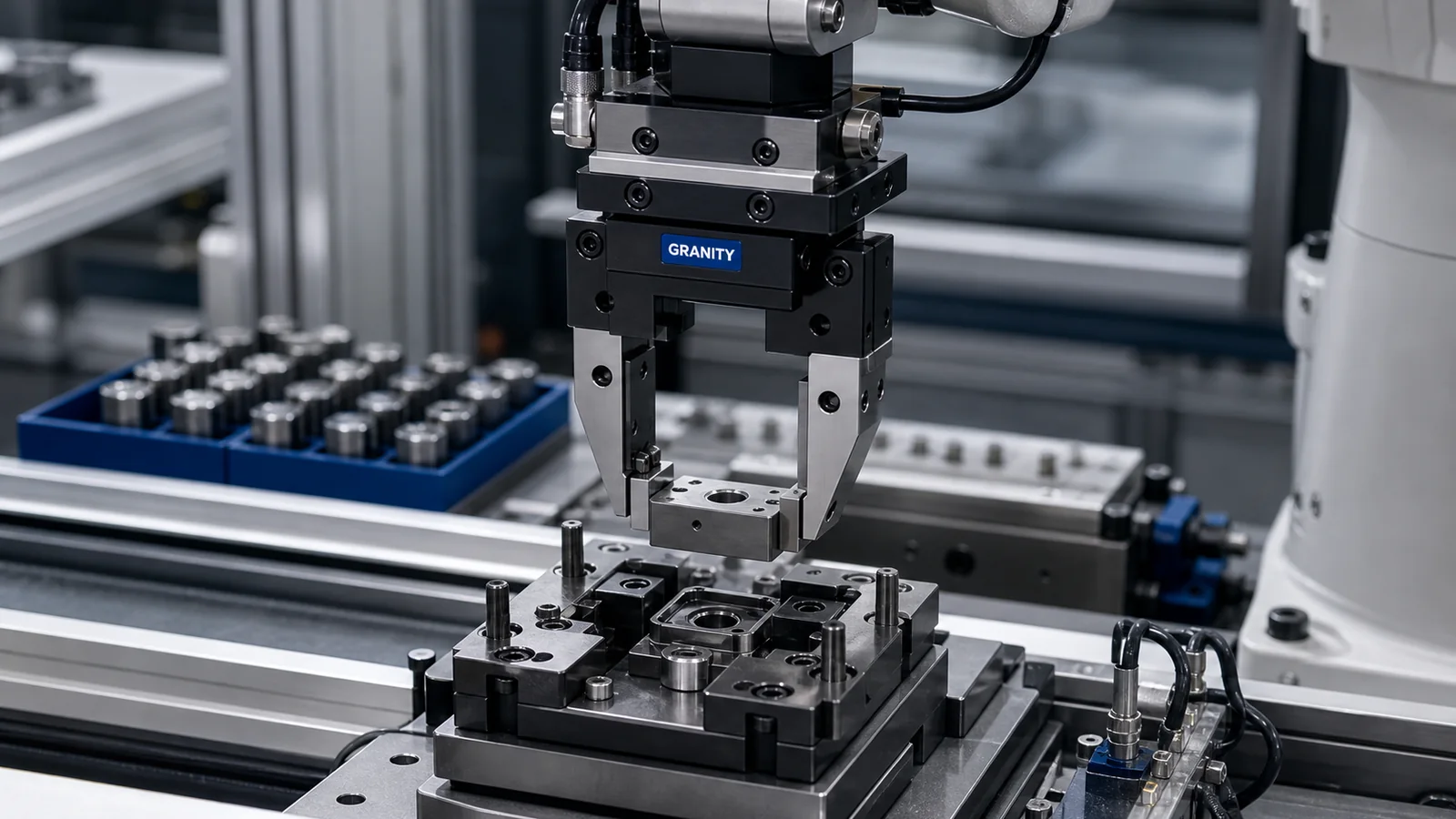
Precision assembly application review for automation and gripping

How to use an application note

Application notes help teams describe the workpiece, machine, motion, environment and project objective clearly enough for practical product review.

1. Identify the taskLoading, transfer, positioning, clamping, inspection or changeover.
2. Capture constraintsWorkpiece geometry, material, cycle target, access space and machine interface.
3. Choose product familyChoose gripping, automation, workholding or engineering support based on the task.
4. Send project detailsSend a drawing, request CAD, or start an RFQ with application details.

Core application scenarios

Each scenario below helps engineers connect the application details with the most relevant product family and support option.

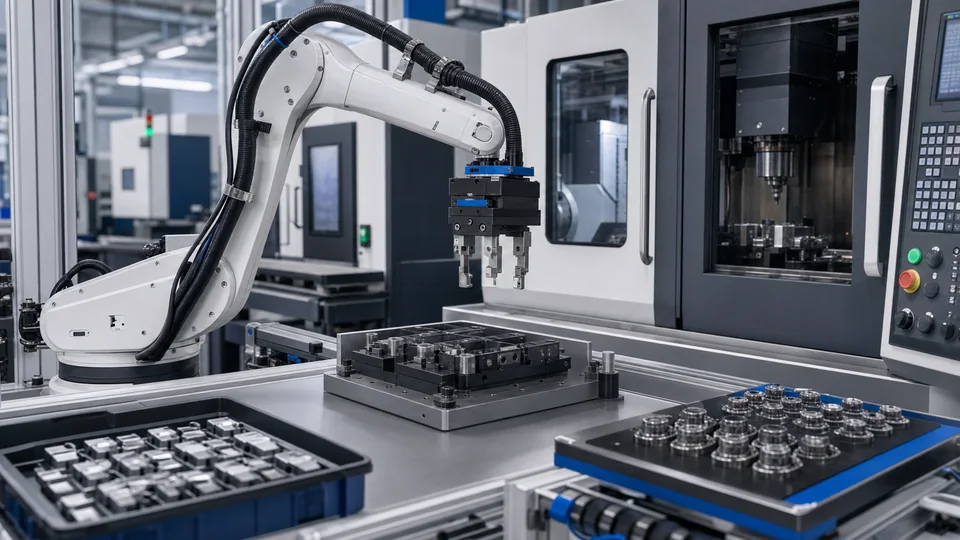
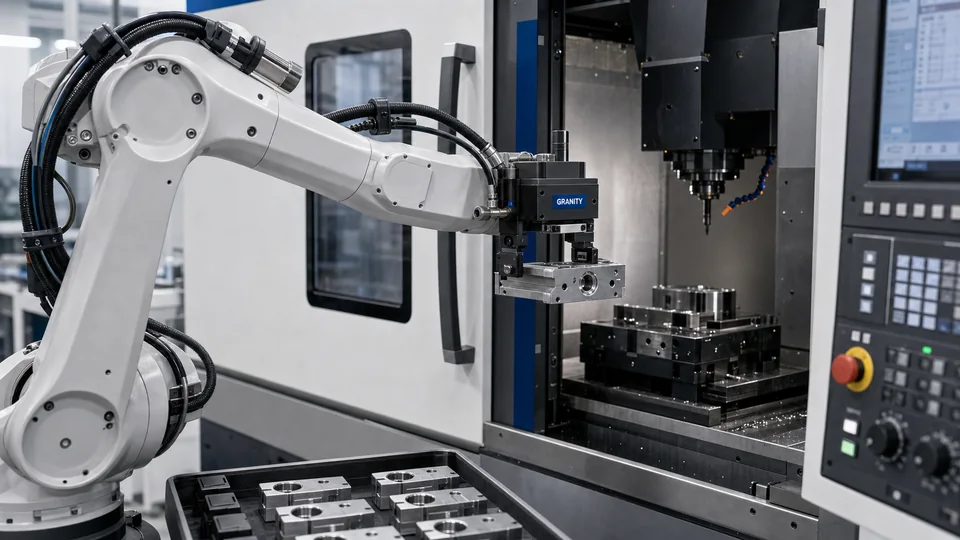
CNC machine tending application with industrial robot and workholding fixture

CNC machine tending

Typical challenge: the robot must handle parts reliably while respecting fixture access, machine door clearance and cycle timing.

  • Review gripper type and jaw contact.
  • Confirm tool changer or interface requirements.
  • Prepare CAD before layout approval.
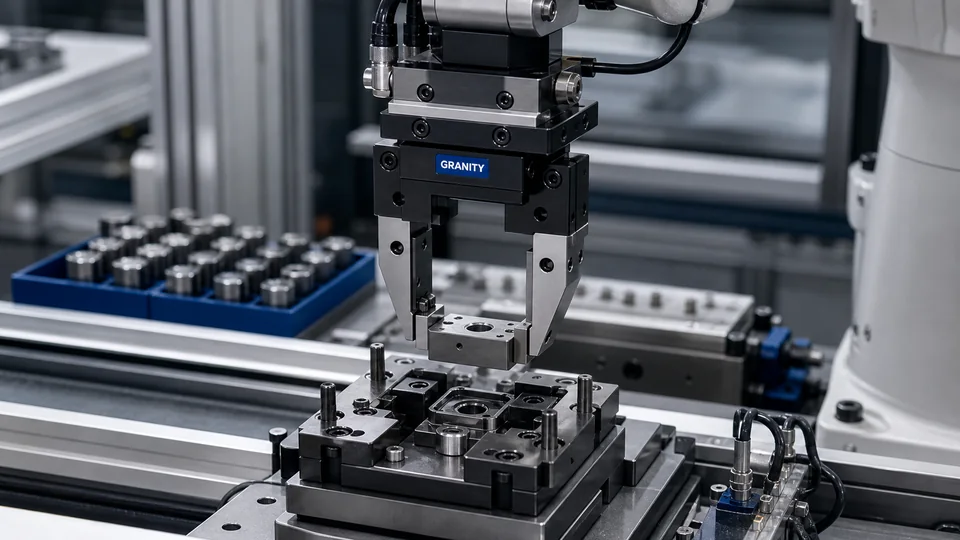
Precision assembly application using automation handling components

Precision assembly transfer

Typical challenge: small or shaped parts require controlled contact, repeatable positioning and process-friendly end-of-arm tooling.

  • Review gripping and compensation needs.
  • Check part orientation and tolerance sensitivity.
  • Send uncertain cases to engineering.
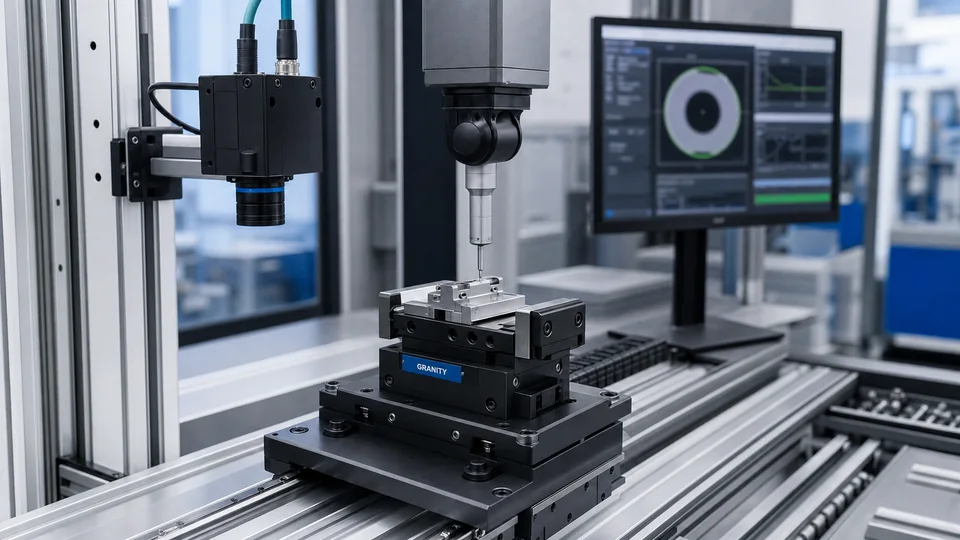
Automated inspection station for precision manufacturing

Inspection and positioning

Typical challenge: inspection stations need stable part presentation, repeatable positioning and enough access for cameras or gauges.

  • Define datum and orientation requirements.
  • Confirm clamping or support method.
  • Connect product review to fixture planning.
Flexible production cell with robotic handling and modular tooling

Flexible production cell

Typical challenge: product mix, tooling changeover and line availability often matter as much as the individual gripping device.

  • Review tool changing and quick-change needs.
  • Plan CAD around cell envelope.
  • Separate standard parts from custom interfaces.
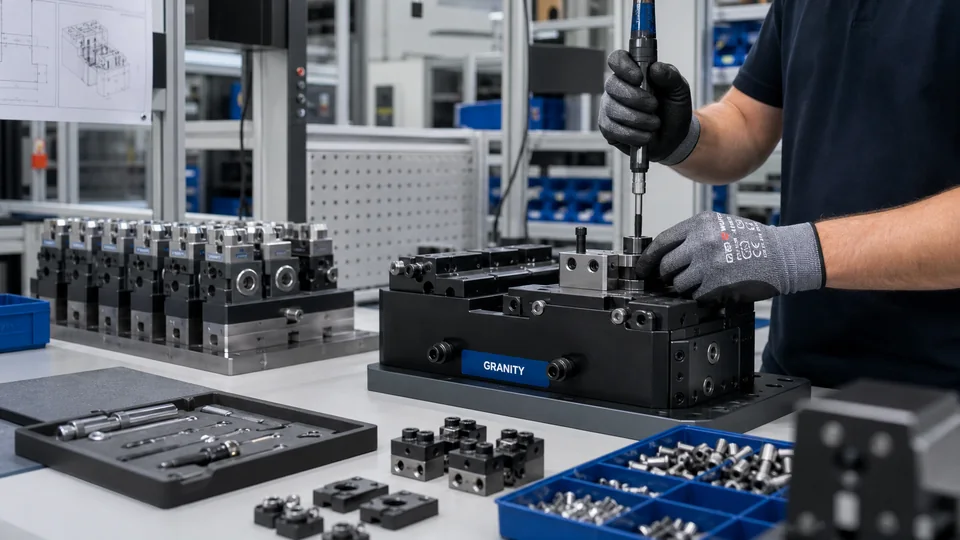
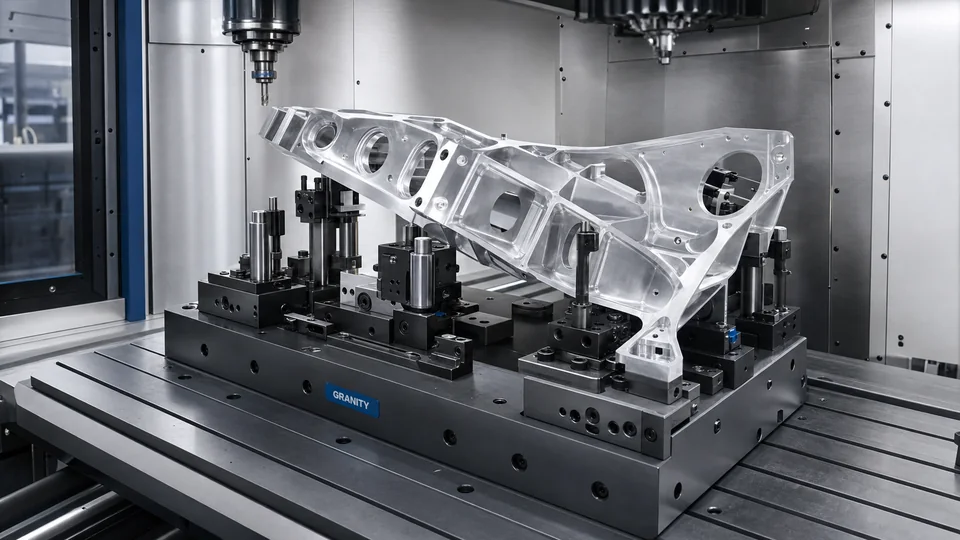
Aerospace machining fixture and precision workholding application

Fixture changeover

Typical challenge: setup time, repeatability and operator workflow determine whether a workholding architecture is practical for production.

  • Review zero point or clamp family fit.
  • Capture pallet, fixture and machine constraints.
  • Request datasheet or drawing support.
Industrial packaging and handling area for production workflow review

Packaging and transfer

Typical challenge: high-volume transfer can require lightweight tooling, simple replacement options and stable product handling.

  • Confirm part surface and allowed contact.
  • Review gripper, pneumatic or quick-change option.
  • Include throughput needs when requesting a quote.

What to prepare before contacting engineering

Better application inputs lead to faster product selection discussions. GRANITY should not infer technical specifications that have not been supplied by the project team.

Workpiece informationMaterial, geometry, mass range, surface condition and contact limits.
Machine and motion contextRobot, CNC, assembly station, stroke, access space and cycle expectation.
Project objectiveCAD review, datasheet request, RFQ, distributor discussion or engineering consultation.

Turn your application into a clear engineering request.

Send the process, workpiece and target outcome. GRANITY can help identify whether product family review, CAD support or quote details is the best next step.