Buying Guide
Tool Changer Buying Guide for Robotic Automation Projects
A robot tool changer can increase flexibility by allowing one robot to use multiple end effectors. It can also create integration risk if payload, interface, utilities, locking method and maintenance requirements are not reviewed carefully.
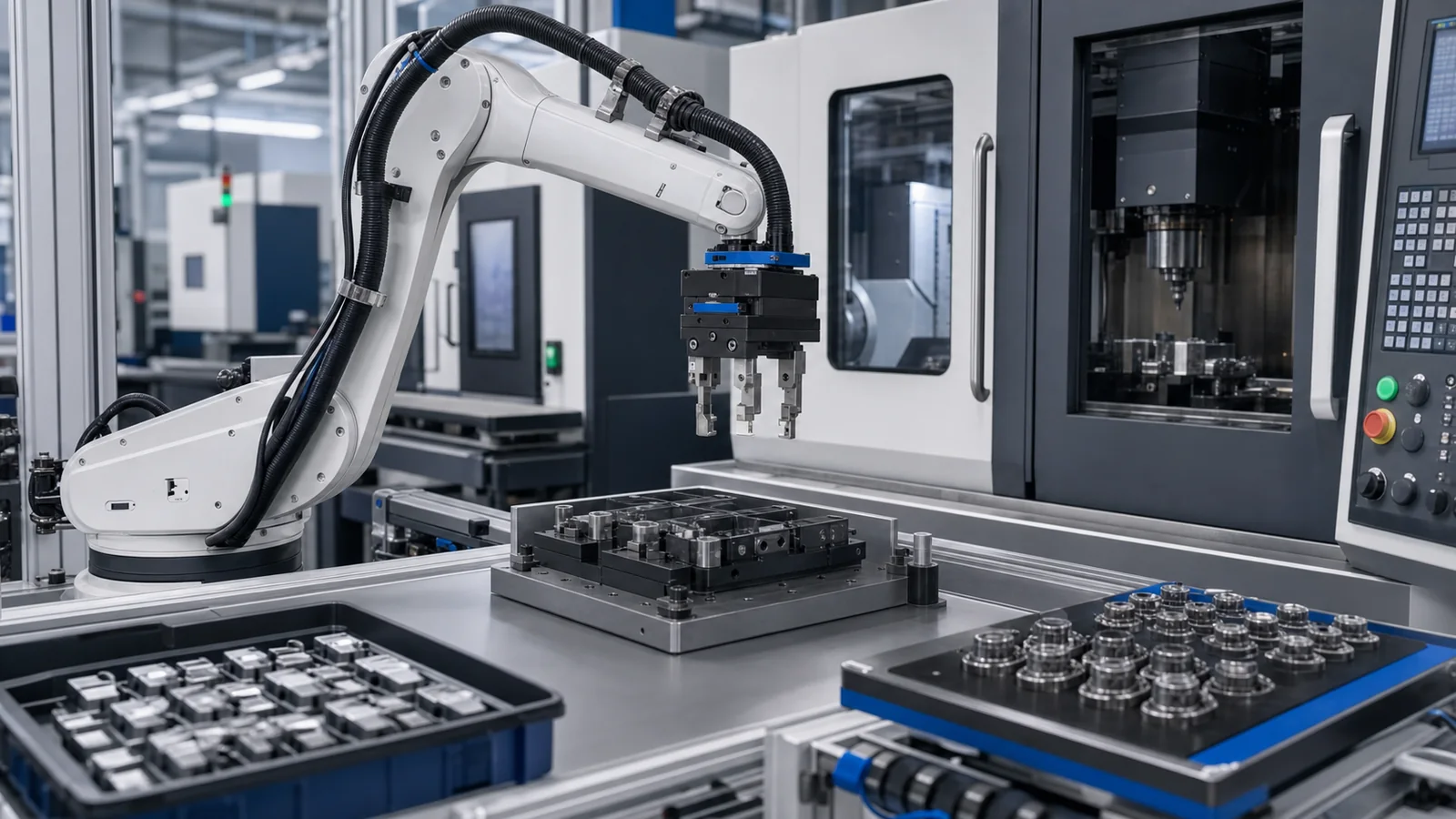
This guide is written for engineers, buyers and integrators preparing an initial tool changer discussion. It does not provide universal load ratings or model-specific claims. Those must come from approved product data. The goal is to help teams ask the right questions before selecting a product family or requesting a quote.
1. Define why tool change is needed
The first question is not which tool changer to buy. The first question is why the application needs automatic or manual tool change. Common reasons include handling multiple part sizes, switching between grippers and process tools, reducing robot count, supporting flexible production or enabling faster line changeover.
A tool changer should solve a real production problem. If the system only uses one end effector for a stable long-running process, a fixed mount may be simpler. If the system must handle several tasks, a tool changer can provide value, but only when the surrounding process is designed for it.
2. Robot-side and tool-side architecture
Most tool changer systems involve a robot-side master and one or more tool-side adapters. The robot-side unit remains attached to the robot or motion system, while the tool-side units remain attached to grippers, fixtures or process tools. The buying decision should consider both sides because future expansion often depends on the tool-side ecosystem.
Engineers should define how many tools are needed at launch and how many may be added later. They should also identify whether the tool storage station, docking position and cable or hose layout are part of the current project. A tool changer without a practical tool storage concept is not a complete automation solution.
3. Payload and moment context
Payload is not only the weight of the end effector. The full stack may include gripper, fingers, sensors, valves, cables, brackets, tool-side adapter and workpiece. The distance from the robot flange to the load center also affects the mechanical demand.
Moment loads and acceleration can be more important than static mass. A heavy tool close to the flange may be less challenging than a lighter tool extended far from the flange. Provide drawings, tool stack-up length, approximate mass and robot motion context whenever possible.
4. Locking and release expectations
Tool changers must lock reliably during operation and release reliably during changeover. The lock must be compatible with the application safety philosophy, robot program and available utilities. If the process involves vertical handling, high acceleration or vibration, locking reliability becomes a primary engineering concern.
Buyers should ask how lock confirmation is handled, what signals are required, and what happens if air pressure or control power changes. The answer may influence controller design, safety review and maintenance procedure.
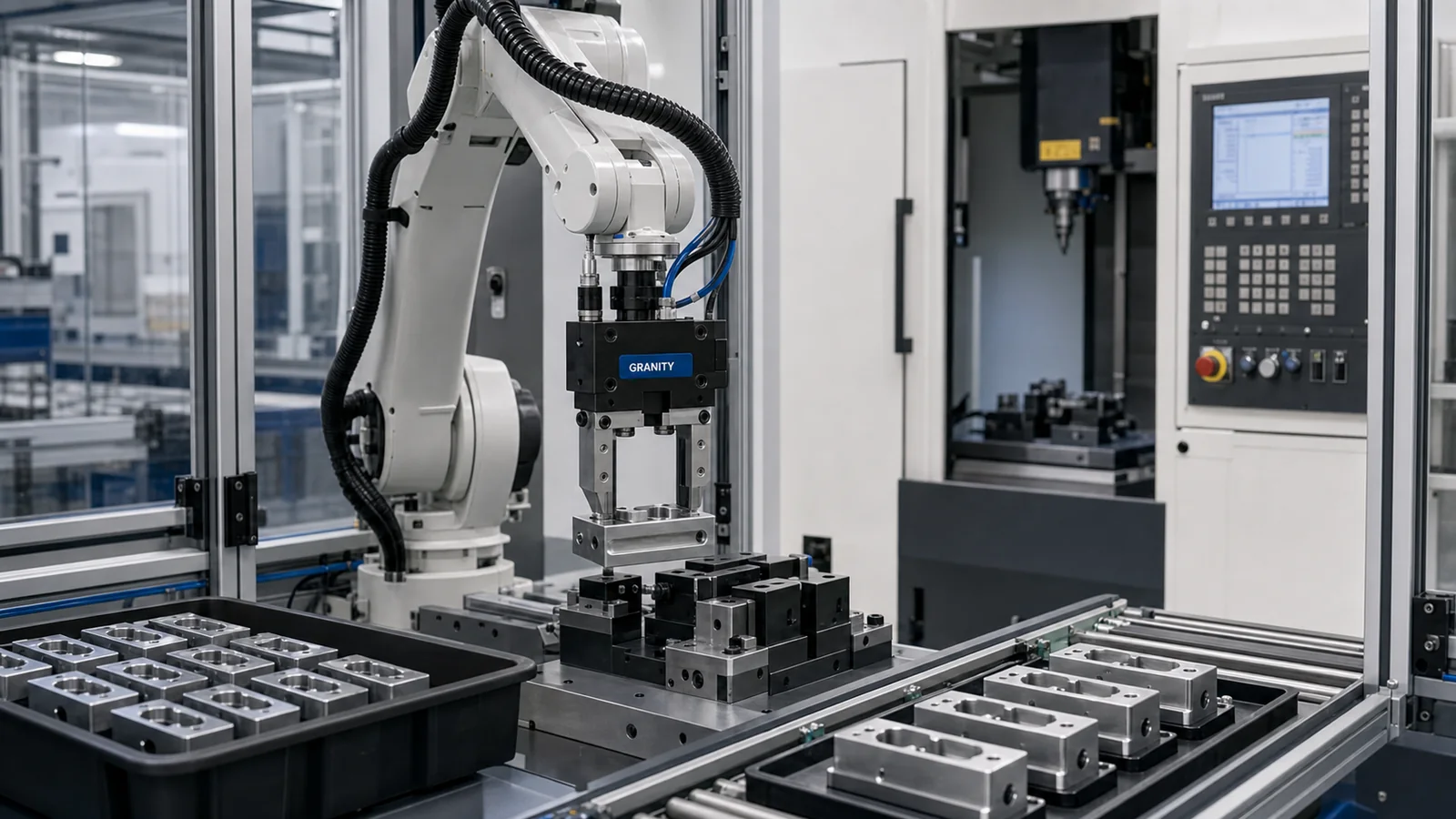
Confirm payload stack-up, lock confirmation, utility pass-throughs and tool storage before choosing the product family and interface plan.
5. Utilities and signal pass-through
Many tool changer applications need more than mechanical connection. They may require pneumatic air, vacuum, electrical signals, sensors, fieldbus, fluid, shielding or other utilities. The number and type of pass-throughs should be defined before product selection.
Underestimating utility needs is a common cause of redesign. A gripper may require open-close control and sensors. A welding or process tool may require more specialized connections. The tool changer must support the actual tool ecosystem, not only the robot flange.
6. Accuracy and repeatability expectations
Some applications require a tool to return to a highly repeatable position after every change. Others can tolerate larger variation because the process has mechanical compliance, vision correction or teaching routines. State the process requirement rather than assuming all tool change applications need the same level of precision.
If the tool performs assembly, insertion, machine loading or inspection, positional consistency may be critical. If the tool handles rough material movement, the requirement may be different. Engineering review should connect repeatability expectations to the actual process.
7. Tool storage and station design
A tool changer purchase often fails when the storage station is considered too late. Tools need a safe and repeatable resting location. The robot needs a path to approach and leave the station without collision. Cables and hoses need to avoid snagging. The tool-side adapter needs support when not carried by the robot.
When requesting support, provide a basic cell layout or describe where tools will be stored. If the storage station is not designed yet, include that in the inquiry. GRANITY Engineering can help identify what information is missing before a final recommendation.
8. Maintenance and uptime
Tool changers are connection points that may experience repeated cycles, environmental exposure and operator interaction. Maintenance access, cleaning, inspection and replacement strategy should be considered. A low-friction buying process should still ask how the unit will be maintained in production.
Document whether the cell has dust, coolant mist, chips, weld spatter, oil or clean assembly conditions. Environment affects connector protection, cleaning practices and service expectations.
9. Commercial buying checklist
Prepare the robot model or flange standard, tool count, tool mass, tool center of gravity, utility requirements, application description, environment, cycle expectations, quantity, desired delivery timeline and CAD request needs.
If exact values are not available, share the best current estimates and label them as estimates. This is better than omitting the information entirely.
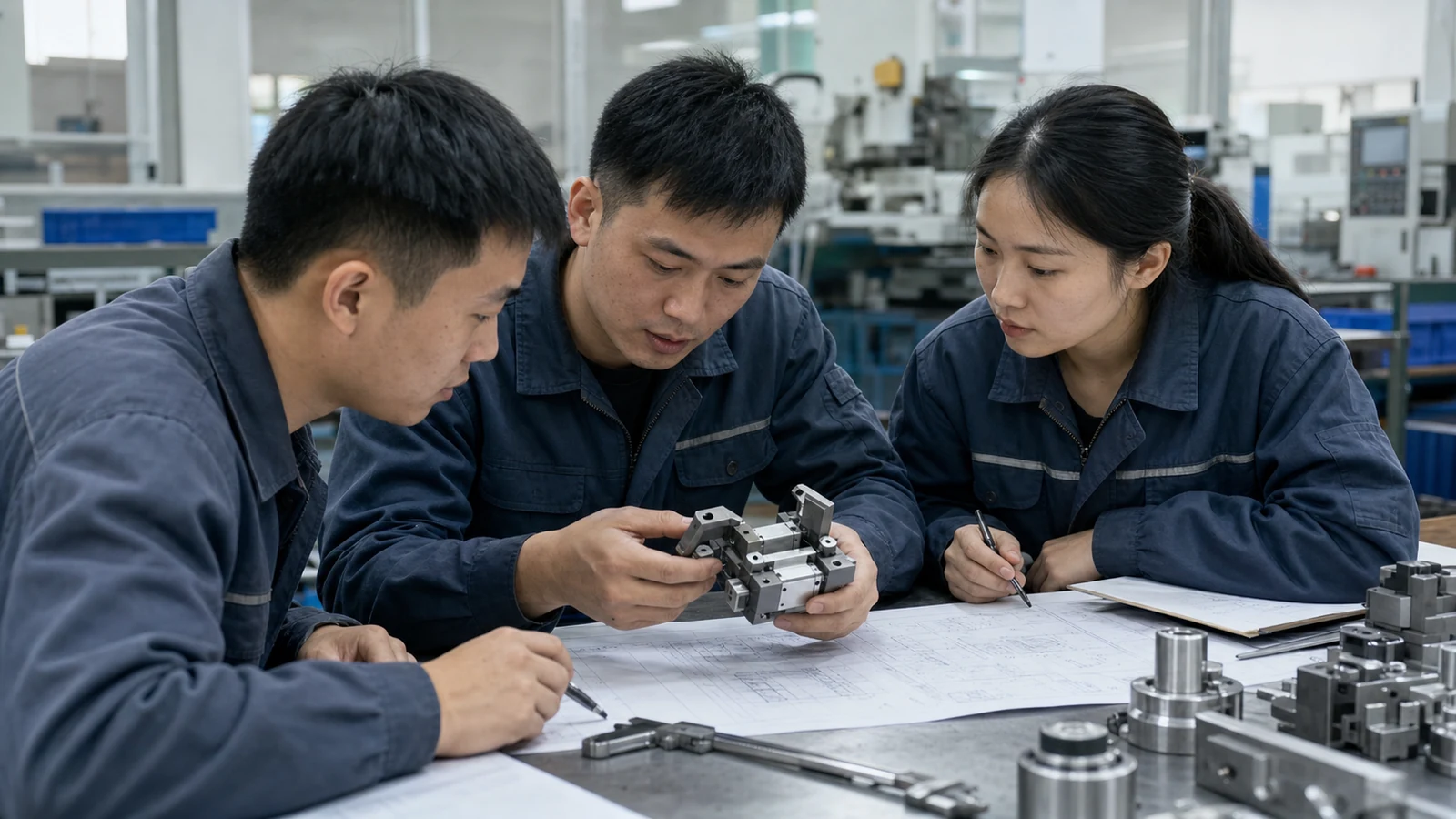
A useful quote request should identify master side, tool side, utility modules, spare adapters and verification expectations.
10. What not to do
Do not select a tool changer by robot payload alone. Do not ignore the number of tool-side adapters. Do not treat utility pass-throughs as optional when the tools need sensors or pneumatic control. Do not assume the storage station is separate from the tool changer decision. Do not ask for a final quote without identifying the tool stack-up and application goal.
11. CAD files for engineering review
Tool changer CAD should be used to check the robot flange, tool stack length, storage station clearance, cable handoff and collision envelope. The CAD model should be reviewed together with the gripper, tool-side adapter and any process tool attached to the system. A tool changer that fits the robot flange may still create reach or collision problems if the full tool stack is not modeled.
When requesting CAD, state whether the file is needed for robot offline programming, layout approval, customer concept review or detailed mechanical design. This helps determine what file type and product context are needed. If the project is still early, a concept-level file may be sufficient. If the cell is near build, the engineering team may need more complete interface information.
12. Buying considerations beyond the product body
A tool changer purchase often includes more than the master and adapter plates. Teams may need utility modules, storage hardware, sensors, cables, spare tool-side units, service parts and documentation. These items should be considered in the buying plan because they influence both cost and implementation schedule.
Buyers should ask whether the quote covers only the core mechanical unit or the broader tool-changing system. This prevents confusion later when the integration team discovers that additional modules or accessories are required. A clear RFQ should separate must-have items from future expansion items.
13. Safety and recovery discussions
Tool change systems interact with robot motion and process safety. The application should define what happens if the tool does not lock, a signal is missing, air pressure is low, or the robot approaches the wrong station. These questions are not only controls questions; they affect mechanical selection and system architecture.
Early recovery planning can reduce downtime. If a tool is dropped, misaligned or not detected, the system should have a predictable response. Engineers should share the safety concept, control interface and operator recovery expectations during the selection discussion.
14. Distributor and OEM considerations
Distributors and OEM partners evaluating tool changers need to understand how the product fits repeated projects. A single custom project can accept special engineering review, but a repeatable OEM platform may require stable documentation, consistent interface data and predictable accessory structure. The buying discussion should identify whether the request is one project, a machine platform or a channel opportunity.
For distributors, the best opportunity is often not the lowest-price component. It is the product family that can be supported technically, explained clearly and connected to CAD, RFQ and after-sales processes. GRANITY partner discussions should therefore include market type, customer base and expected support needs.
Conclusion
A good tool changer decision connects robot interface, tool ecosystem, utilities, storage, locking, safety and maintenance. Teams that prepare this context can move faster from early discussion to CAD review, RFQ and project execution.
Recommended next steps
Compare tool changers with rotary modules, compensation units and quick change systems.
Open Automation ModulesUse CAD review to confirm robot flange, tool stack, storage station and utility handoff.
Open CAD LibraryFor distributors or OEMs, include territory, customer type and repeated project needs.
Become a PartnerPlanning a tool-changing robot cell?
Share the robot, tools, utilities and application details so GRANITY can recommend the right product, CAD resource or quote request step.
Contact EngineeringRequest a Quote